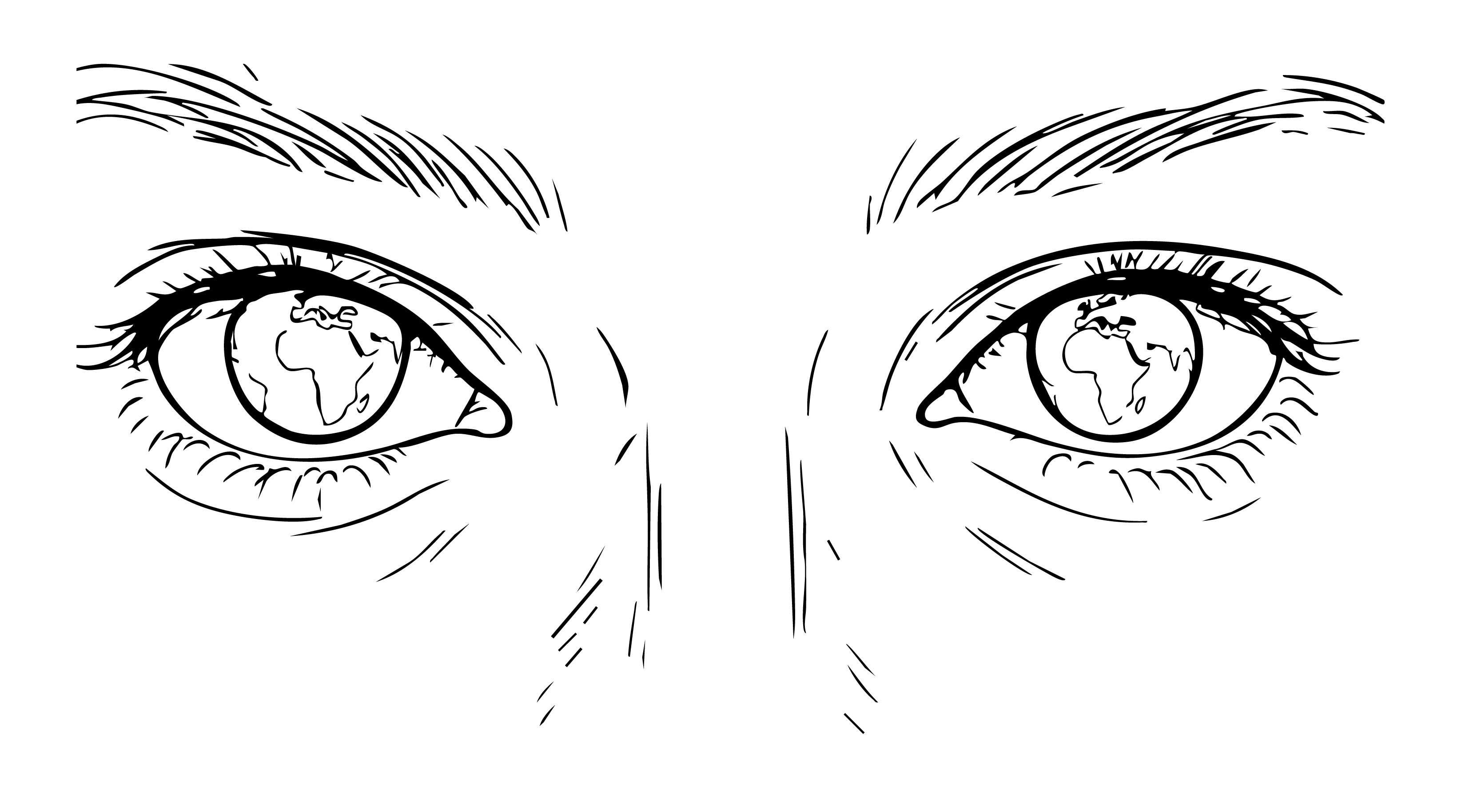
The plastic sheet wrapped around the sidewalk construction site had two big holes.
It was a late night after the daylight saving time shift. Each time a car passed, its headlights tore the holes wider, shining through like eyes. The sheet drew tight against the metal mesh, pressing the air out like a lung hit by a bullet.
hooshiii—peng! hooshiii—peng!
Across the street, a homeless man coughed.
One cough following one shot.
An empty store’s LED sign flickered, dazzling my eyes.
I stood there for a while. This is better than any installation in a museum, I thought. This is real shit.
In the deep fall, Vancouver’s chilly wind wouldn’t kill you — only sadden you with its cool breath.
While I waited for the bus, someone behind me flicked a lighter. A big red suitcase stood by his feet. That was his “affordable housing,” I supposed.
I didn’t know what to say anymore, not after that “housing crisis” talk in a furniture store where well-dressed architects presented pretty drawings among chairs that cost thousands. I wondered what kind of homes those chairs went to. Definitely not affordable ones.
“Someone please tell me what time it is!” a man shouted on the bus.
“8:32.”
“I need to get there before ten — to get a sleeping bag.”
I couldn’t tell if he was sane or not.
Normal Canadians don’t talk this loud in public.
I started to recall a conversation I once had with my chatee #1.
Let’s call her Ms. Z.
She clearly had talent. I could tell she was proud of her work when she showed me her website. She was waiting for someone who knew how to clap properly.
Then she looked straight into my eyes when I asked her why she didn’t continue studying architecture.
“Architecture will not save people,” she said, lifting her gaze from behind her round glasses and pausing her trembling, neurotic fingers on the keyboard. The room was filled with distant typing, and the colors of autumn leaves swept silently outside the window. Her words arrived softly but firmly, like a truth she had rehearsed too many times.
She adjusted her glasses, then looked back at the screen. The keys began clicking again.
“Then what will?” I asked.
“Have you been to prison?” Her voice was flat, almost academic. “I have.”
She raised her eyes from time to time, but I couldn’t tell if she was looking at me or through me. “Art will,” she said finally. “Art education. We help the people in there find their way back to life.”
I couldn’t see her hands from my angle, but I imagined them hovering above the keyboard, typing as if they had thoughts of their own — as if each word were a small button that kept her anxiety at bay and life moving forward. She was reaching out to professors for her PhD applications while we talked.
“Ahh! They replied! Finally, someone replied!” she suddenly cheered.
“Congrats!…..What kind of things did you do in prison?” I asked. The only images I had were from movies, gray rooms, fluorescent lights humming overhead, a single chair, interrogation.
She smiled faintly. “Honestly, it’s pretty normal. I helped the prisoners file tax documents. They need that too.”
For a moment, I didn’t know what to say.
She leaned back in her chair and stared at the screen again.
Outside, the late fall trees glowed in layers of orange, yellow, and red, an animated, silent film of color rolling like her paintings.
Then she said to herself, “That’s what art can do, helping someone start again.”
Leave a Reply